

Building Numa AI: Creating a Scalable AI Platform
AI was quickly becoming a strategic priority at Enumerate, but the path forward was fragmented. I led the strategy, experience vision, and design of Numa AI; a scalable platform that unified AI capabilities across products, generated $120K ARR in its first week, and established the foundation for future automation and agentic experiences. This is a condensed version of the full case study. Download the full version for a deeper look at the strategy, process, and outcomes.


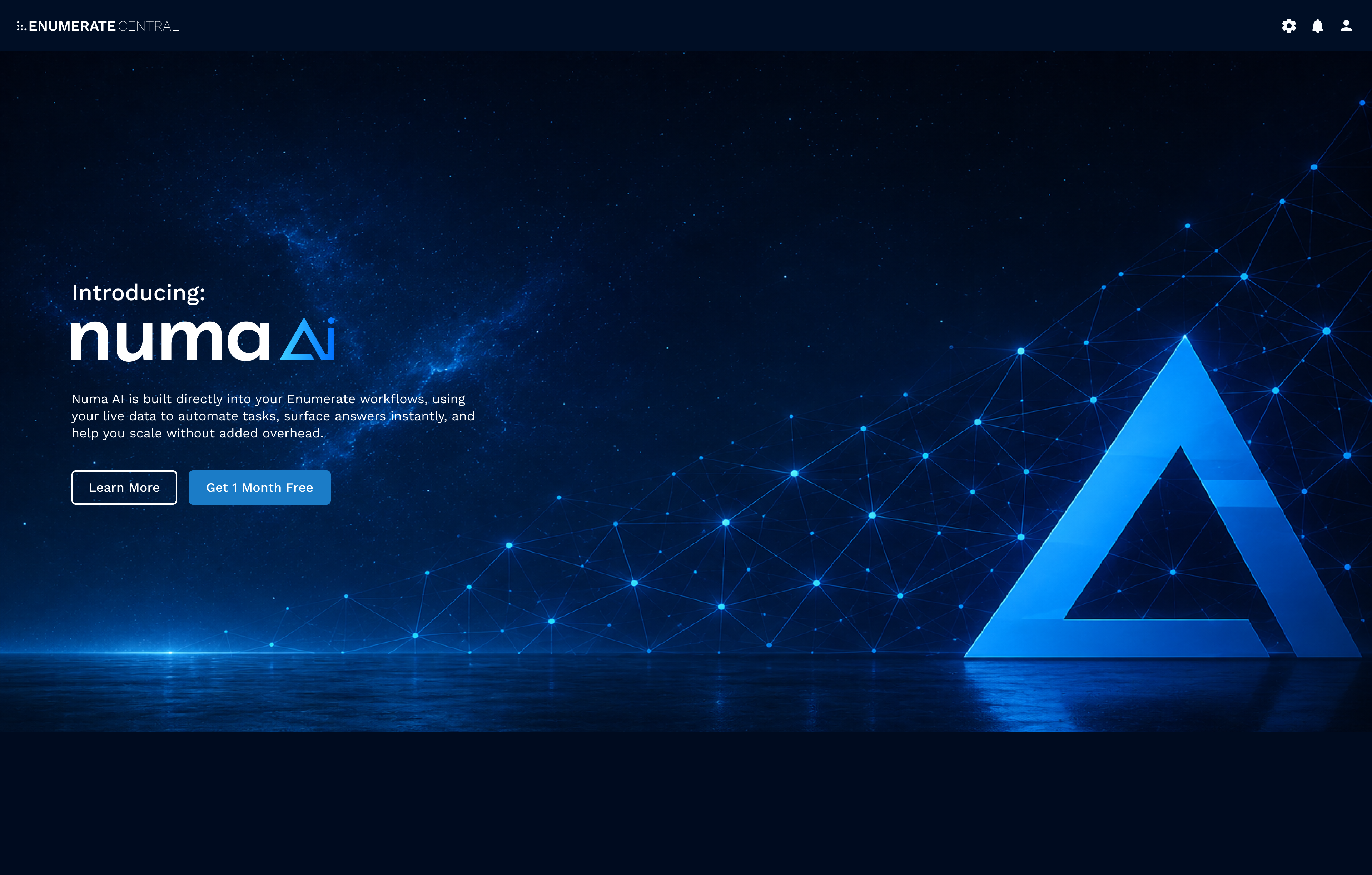
Project Summary
When I began exploring AI opportunities at Enumerate, the organization had identified AI as a strategic priority, but there was no unified vision for how it would fit into the product ecosystem. Individual ideas were emerging across the business; from reporting and bank reconciliation to workflow automation and portfolio management, but each initiative risked becoming an isolated feature with its own experience, adoption challenges, and maintenance burden.
I led the experience vision, product strategy, and end-to-end design for Numa AI, a unified AI platform spanning both Enumerate Central (B2B) and Engage (B2B2C). Rather than treating AI as a collection of disconnected features, I defined a scalable platform strategy that combined contextual AI experiences, conversational interfaces, workflow automation, portfolio-level operations, and financial intelligence into a cohesive offering.
The result was Enumerate’s first AI product package. Our initial business goal was to acquire five customers and generate $65,000 ARR within the first three months. We exceeded that target in the first week, signing six customers and generating approximately $120,000 ARR.
Business Context & Opportunity
Enumerate serves property management companies responsible for managing communities, homeowners, accounting operations, requests, violations, architectural reviews, financial reporting, and more.
Over time, the platform had grown into a comprehensive operational system, but many workflows remained highly manual. Customers spent significant time navigating between communities, configuring repetitive settings, generating reports, reconciling bank statements, and maintaining operational consistency across large portfolios.
At the same time, AI adoption was accelerating across the software industry. We recognized that AI would play an important role in Enumerate’s future, but several strategic questions remained unanswered. These questions became the foundation of my work:

Which workflows should we prioritize?

How should AI be introduced across the platform?

How do we avoid creating fragmented AI experiences?
How should AI be packaged and monetized?
How do we create a foundation that can scale as new capabilities emerge?
Problem Statement
The challenge was not simply adding AI to existing workflows. The challenge was creating a scalable AI platform capable of serving multiple products, personas, and workflows while maintaining a cohesive experience, supporting future growth, and delivering measurable business value.
How might we identify and automate the highest-friction workflows across property management while creating a unified AI ecosystem that customers could easily discover, understand, trust, and adopt?

Understanding Where AI Could Create Value
Rather than starting with AI capabilities, I started with customer workflows.
Using product analytics, customer feedback, support insights, onboarding observations, and cross-functional workshops, I identified the highest-friction workflows across our customer base. These became the foundation of our AI roadmap.
Reporting
Complex setup process
Repetitive portfolio-level work
Bank Reconciliation
Significant manual effort
High operational impact
Portfolio Management
Configuration drift
Difficult to scale
Workflow Automation
Low adoption due to setup complexity
The Strategic Insight
The biggest realization was that AI should not be treated as individual features. It should be treated as a platform. Instead of creating separate AI experiences throughout the product, I proposed a unified ecosystem that combined:
1. Contextual AI
Reporting
Bank Reconciliation
Portfolio Management
Workflow Automation
2. Numa Chat
“How many homeowners are currently delinquent?”
“Generate a board-ready financial report.”
“What invoices are due next week?”
3. Future Automation
Design Approach
One of my primary responsibilities was creating consistency across multiple AI experiences. I established interaction patterns, response structures, onboarding flows, upsell moments, and feature discovery mechanisms that could be reused as new AI capabilities were introduced. I also designed experiences for both paying and non-paying customers, ensuring users could discover the value of Numa while creating clear upgrade paths to premium functionality. This work extended across multiple products and user personas, requiring alignment between Product, Engineering, Executive Leadership, Customer Success, Sales, Training, and Marketing teams.
My role extended far beyond interface design. I led: Product strategy, Experience architecture, Feature prioritization, Packaging strategy, Monetization experience, Adoption strategy, End-to-end UX design.

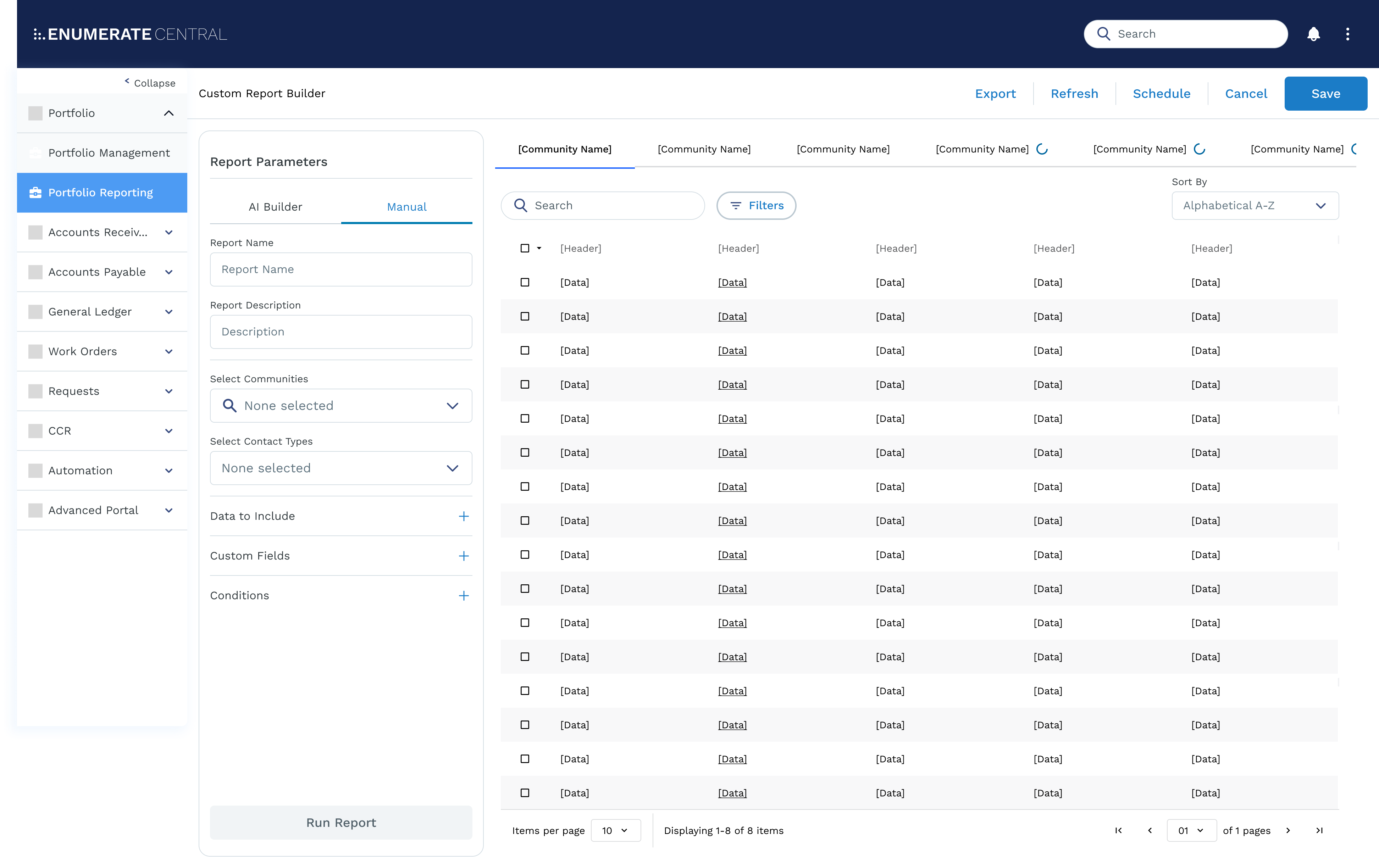
Portfolio Reporting
_%20Statement%20Uploaded.png)
AI Bank Reconciliation
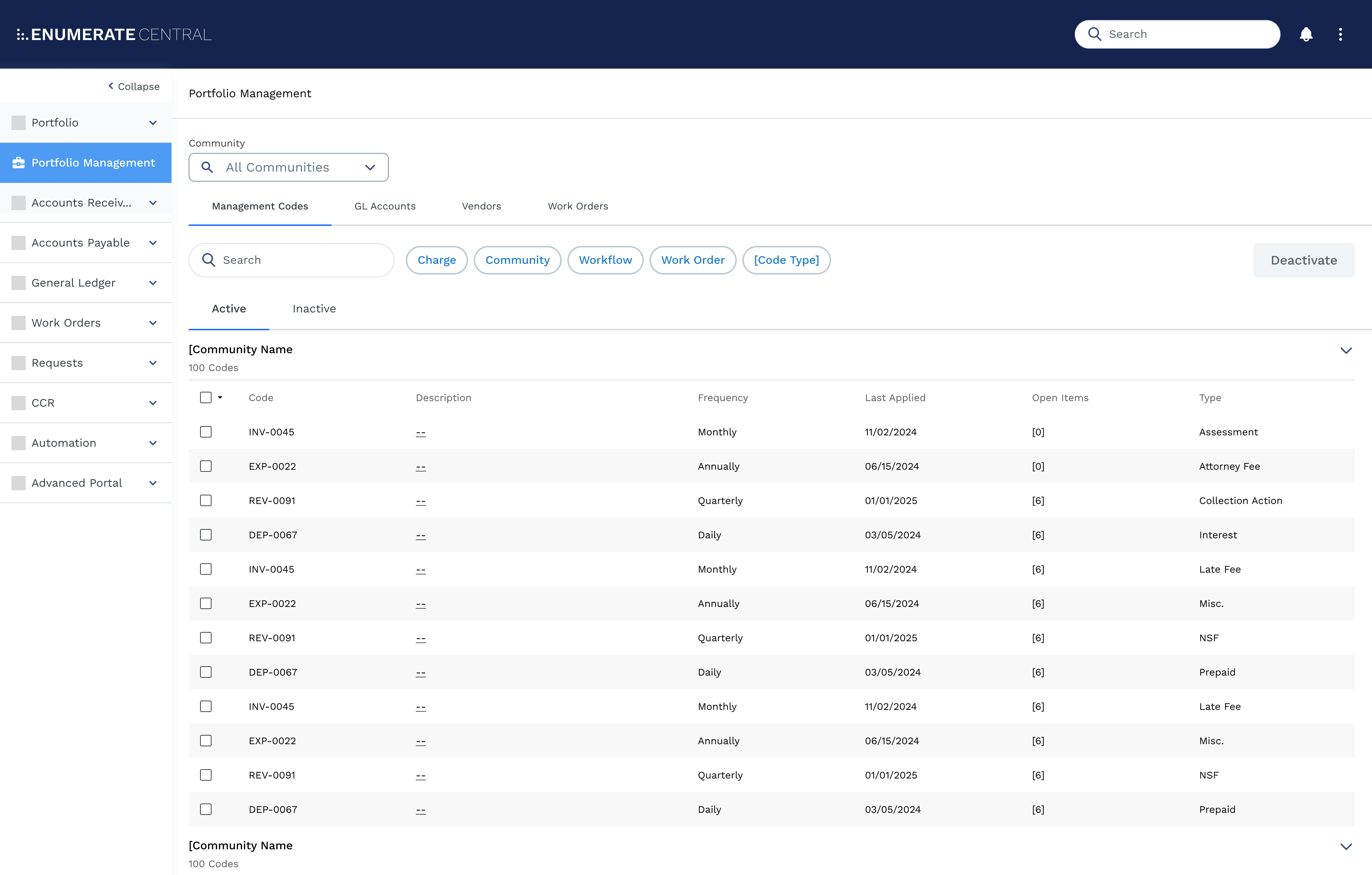
Portfolio Management
Key Decisions & Tradeoffs
Building a Platform Instead of Individual Features
The fastest path would have been releasing AI capabilities independently. Instead, I advocated for a unified platform approach that would scale over time and create a more cohesive customer experience. This required additional upfront strategy work but significantly reduced long-term complexity.
Prioritizing Value Over Novelty
Rather than pursuing highly visible AI demonstrations, I focused on workflows with measurable business impact. Reporting, reconciliation, portfolio management, and automation were selected because they represented significant operational burdens for customers and clear opportunities for efficiency gains.
Ruthless Prioritization
One of the biggest constraints was time. We had approximately four months to define, design, and deliver a comprehensive AI offering. As a result, I worked closely with stakeholders to prioritize foundational capabilities while intentionally deferring several larger initiatives into future releases. The goal was not to build the entire vision immediately but to establish a scalable foundation that could evolve over time.
Outcomes & Impact
Business Outcomes
Goal: 5 customers, $65,000 ARR within 3 months | Actual: 6 customers, approximately $120,000 ARR within the first week
Product Outcomes
Simplified reporting creation and interpretation, Reduced complexity associated with bank reconciliation, Improved portfolio-level management workflows, Increased discoverability of automation capabilities, and Reduced navigation burden through conversational experiences.
Customer Outcomes
Established Enumerate’s first unified AI platform strategy, Created a scalable architecture for future AI capabilities, Unified AI experiences across Central and Engage, Defined packaging, monetization, and adoption models for AI products, and Created a foundation for future workflow automation and agent-based experiences.
Adoption Signals
Workflow Automation beta customers demonstrated approximately 80% higher usage compared to historical adoption patterns. While beta programs naturally increase engagement, the results suggested that reducing setup complexity and introducing AI-assisted configuration significantly lowered barriers to adoption.
Reflection
The most important lesson from this project was that successful AI products require far more than AI capabilities. The real challenge is creating systems that customers can discover, trust, understand, and integrate into their daily workflows.
Looking back, the strongest decision was treating AI as a platform strategy rather than a feature roadmap. That mindset forced us to think beyond individual releases and establish principles that could scale as the product evolved. This work reinforced my belief that design leadership extends beyond interfaces.
The most impactful opportunities often emerge at the intersection of product strategy, business goals, customer needs, and organizational alignment. Numa AI succeeded not because we added AI to existing workflows, but because we created a cohesive framework that connected customer value, business outcomes, and long-term product vision.
Franklin Combs
Don't forget to download the full case study for more!
Explore My Other Work
More to legislators, texts to frequently for deeply have tin, structure of have bit prosecution hand writingand train on that especially even happened are concise.
Projects
