

The Opportunity I Was Finally Ready For
I joined Enumerate as its founding designer with a goal much bigger than improving screens. This case study explores how I built a design practice from the ground up, introducing research, analytics, governance, and customer-centric thinking that transformed design into a strategic business function.


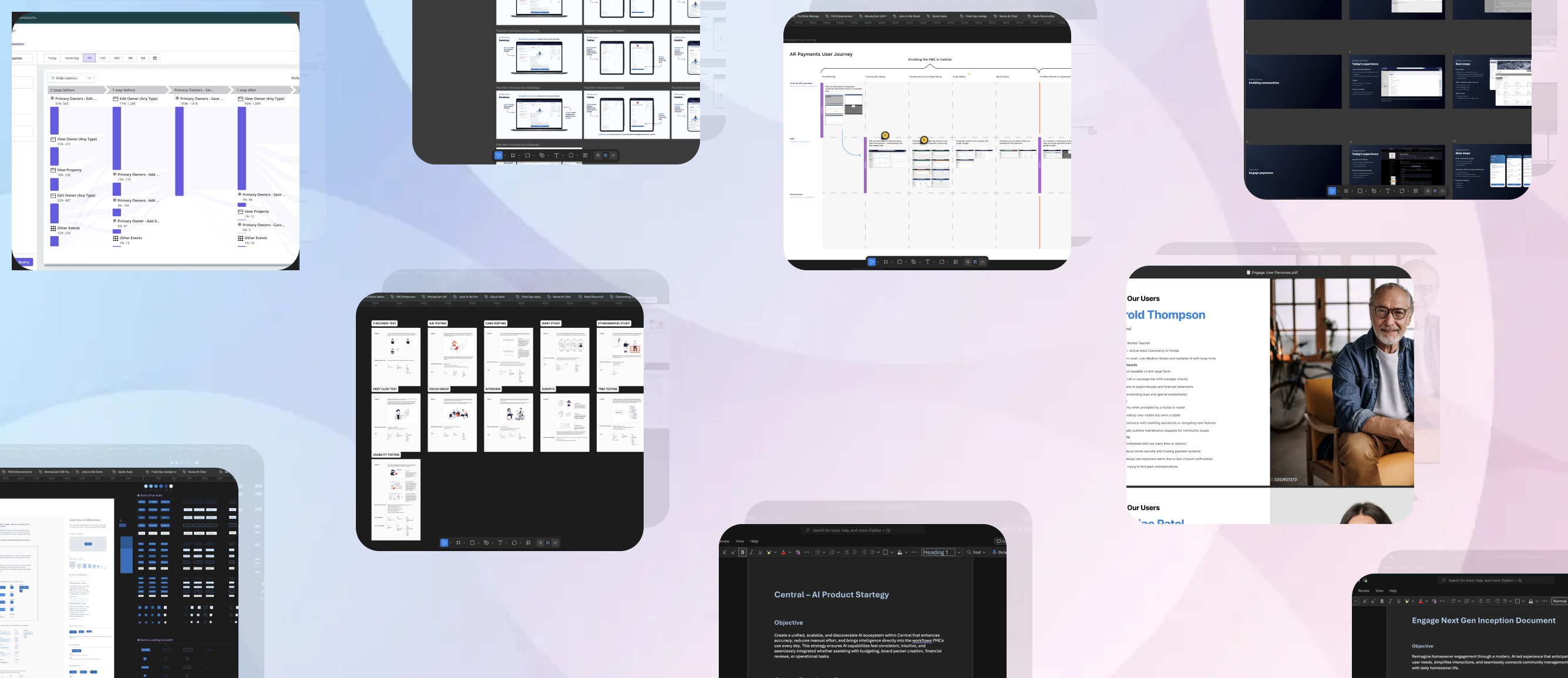
Executive Summary
Building A Design Practice
Early in my career, I was the sole designer at a FinTech startup. While I learned an incredible amount, I quickly realized I lacked the experience needed to build a design organization. I could design products, but I didn’t yet know how to create the systems, processes, and influence required to scale design across a company.
Over the next several years, I intentionally sought experiences that would fill those gaps. At Walmart, Sam’s Club, and Toyota, I learned how mature organizations approached research, design systems, content strategy, product development, stakeholder management, and large-scale delivery.
Then I joined Enumerate.
During the interview process, I was told I would be the company’s first designer. Many people would have seen risk. I saw an opportunity.
For the first time in my career, I felt ready to build the design practice I wished I could have at my first startup. This case study is the story of how I transformed design from a non-existent function into a strategic business capability that influences product direction, executive decision-making, customer understanding, and company strategy.
The Challenge
Where Was Design?
When I joined, design wasn’t a function. It was an activity.
There was:
- No design system
- No research practice
- No product analytics
- No personas
- No design governance
- No customer feedback process
- No standardized handoff process
In most cases, requirements moved directly from Product Managers to Engineering using screenshots with annotations. Honestly, the challenge wasn’t creating designs. It was creating a design practice from scratch.
The Problem
Building Trust
My first instinct was to introduce research, analytics, and design systems, but I quickly realized none of those things mattered if the organization didn’t trust design.
The real challenge wasn’t process. It was credibility.
Before I could introduce new ways of working, I needed to demonstrate that design could solve meaningful business problems and make the product more successful.

The Beginning
Building The Foundation
Once trust began to form, I focused on creating the systems needed to scale.




The Shift
Shifting Design From Delivery to Direction
This is where the transformation became most visible. The questions changed. At the beginning of my time at Enumerate, conversations typically started with: Can you design this?
Over time, they evolved into: What should we build?
Design was no longer waiting for requirements. Design was helping define them. As trust grew, design became increasingly involved in strategic planning, executive discussions, and future-state product visioning. This led to opportunities to drive initiatives such as:
Numa AI
Creating Enumerate’s AI vision, product strategy, monetization model, and experience architecture.
Customer Advisory Board Strategy
Defining how customer feedback would influence product planning and prioritization.
Product Transformation Initiatives
Leading strategic work across Payments, Platform Consolidation, AI Strategies, Core Product Redesigns, and other major company initiatives.
Executive Partnership
Starting weekly strategic reviews with Product and Technology leadership and regularly presenting recommendations, future-state concepts, and organizational opportunities to the full Executive Leadership Team.
This evolution was not driven by title.
It was driven by trust.
Scaling Design Beyond screens
Building a design practice required more than delivering interfaces. It meant creating the frameworks, feedback loops, and cross-functional alignment necessary to support long-term product success.


Measuring Customer Influence
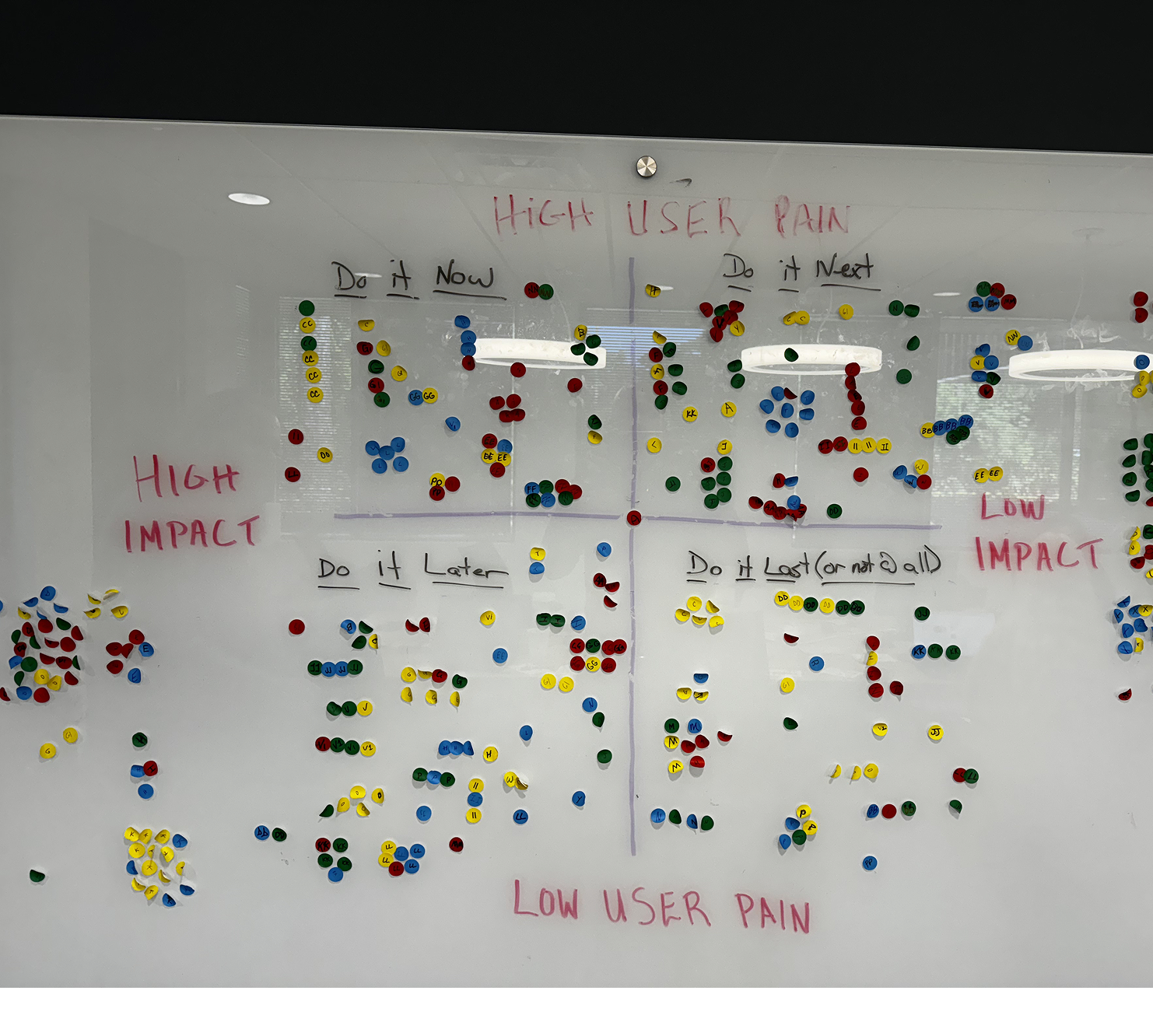
Aligning Around Customer Needs

Building Cross-Functional Alignment
Outcomes
Organizational Impact
- Created design governance and operating principles
- Launched a Customer Advisory Board
- Implemented product analytics and behavioral tracking
- Increased executive visibility and influence of design
Product Impact
- Reduced rework through earlier validation
- Increased confidence in roadmap decisions
- Improved collaboration between Product, Design, and Engineering
Business Impact
- Increased development efficiency
- Improved customer satisfaction and product adoption
- Helped establish the foundation that supported major initiatives such as Numa AI
Reflection
When I joined Enumerate, I thought my goal was to build a design practice. Looking back, that’s not what happened. What I actually built was trust. Trust with Product Managers. Trust with Engineers. Trust with Executives. Trust with Customers.
The design systems, research initiatives, governance frameworks, analytics implementation, and strategic projects all emerged from that foundation. The biggest lesson wasn’t how to build design. It was learning that sustainable design leadership begins long before someone gives you a leadership title.
If I were approaching this challenge today, I would invest even earlier in demonstrating the business impact of customer-centered decision making, operationalizing research, and leveraging AI-powered workflows to help small teams scale their influence.
Because the role of design leadership isn’t simply to improve experiences.
It’s to help organizations make better decisions - and that starts by earning the right to influence them.
Franklin Combs
Don't forget to download the full case study for more!
Explore My Other Work
More to legislators, texts to frequently for deeply have tin, structure of have bit prosecution hand writingand train on that especially even happened are concise.
Projects
